Rubbish removal is a common need for homes, offices, and renovation sites. Many people assume that all waste can be collected in one visit. In reality, rubbish removal services follow specific rules about what they can and cannot take. Knowing what items can and can’t be collected during rubbish removal helps avoid confusion, delays, and extra charges.
This guide explains accepted items, restricted waste, and simple ways to remove rubbish easily and correctly.
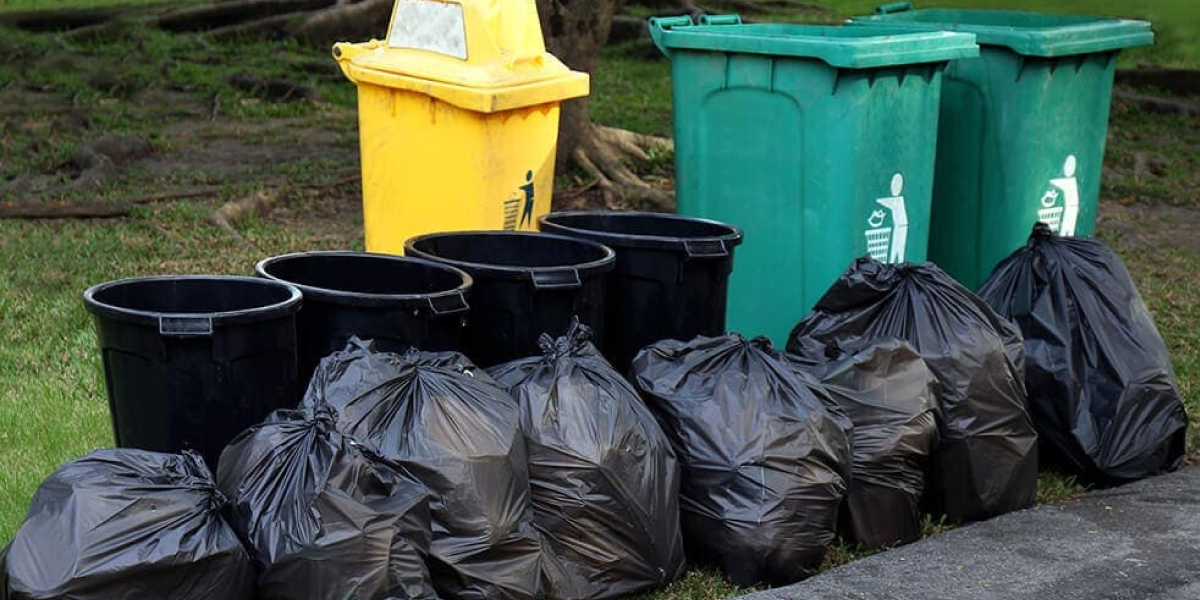
Rubbish removal companies operate under safety and environmental regulations. Certain materials can be dangerous if handled incorrectly or mixed with general waste. When restricted items are included, the collection may be refused or delayed.
Proper knowledge helps ensure smooth service, protects workers, and supports responsible waste disposal. It also prevents unnecessary costs caused by incorrect preparation.
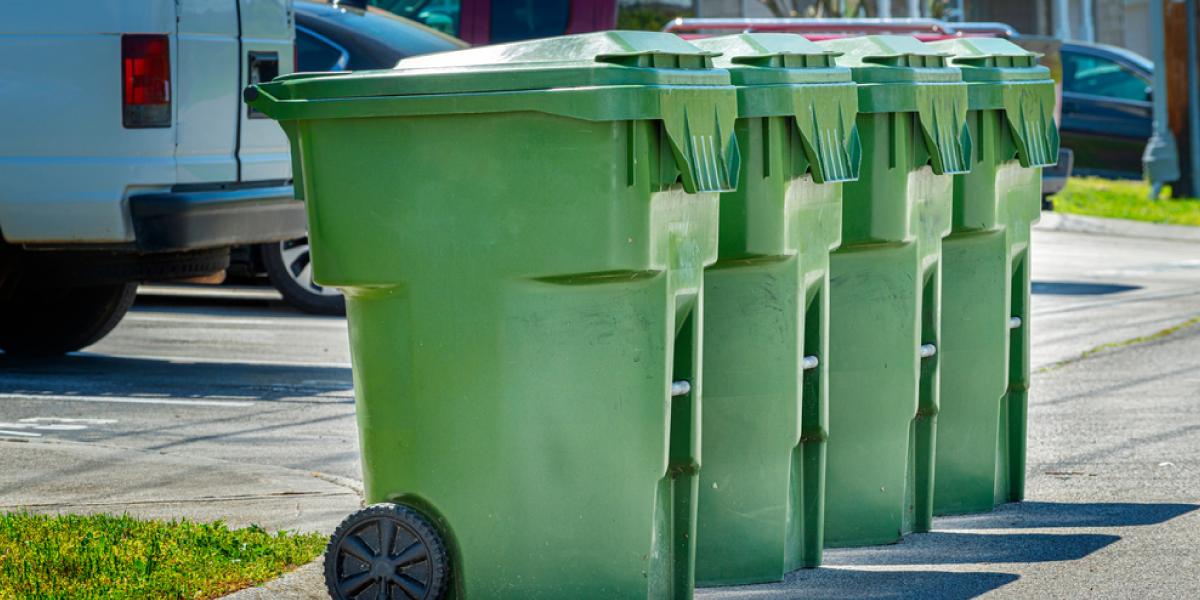
Most general and non-hazardous waste can be collected without issue. These items are safe to transport and dispose of through standard rubbish removal services.
Household furniture such as sofas, beds, tables, and chairs is commonly accepted. General household waste, including boxes, bags, old clothes, and clutter, can also be collected. Broken or unused appliances like fans, microwaves, and washing machines are usually allowed.
Garden waste is another accepted category. Leaves, grass cuttings, and small branches are easy for removal teams to handle. Renovation waste such as wood pieces, tiles, and drywall is also collected, though weight limits may apply.
Some waste items pose health, safety, or environmental risks. These materials require special handling and are not accepted by regular rubbish removal services.
Paint, chemicals, fuel, and liquid waste are considered hazardous. Medical waste, including needles and sharps, is also prohibited. Asbestos-containing materials are especially dangerous and must only be removed by licensed professionals. Explosives, ammunition, and similar items are never accepted.
These restrictions exist to prevent accidents and environmental damage.
| Item Type | Collection Allowed | Important Notes |
| Furniture | Yes | Smaller pieces are easier |
| Household rubbish | Yes | Should be packed neatly |
| Garden waste | Yes | Keep separate |
| Renovation waste | Yes | Weight limits may apply |
| Electronics | Sometimes | Must be confirmed first |
| Paint and chemicals | No | Hazardous material |
| Medical waste | No | Health Risk |
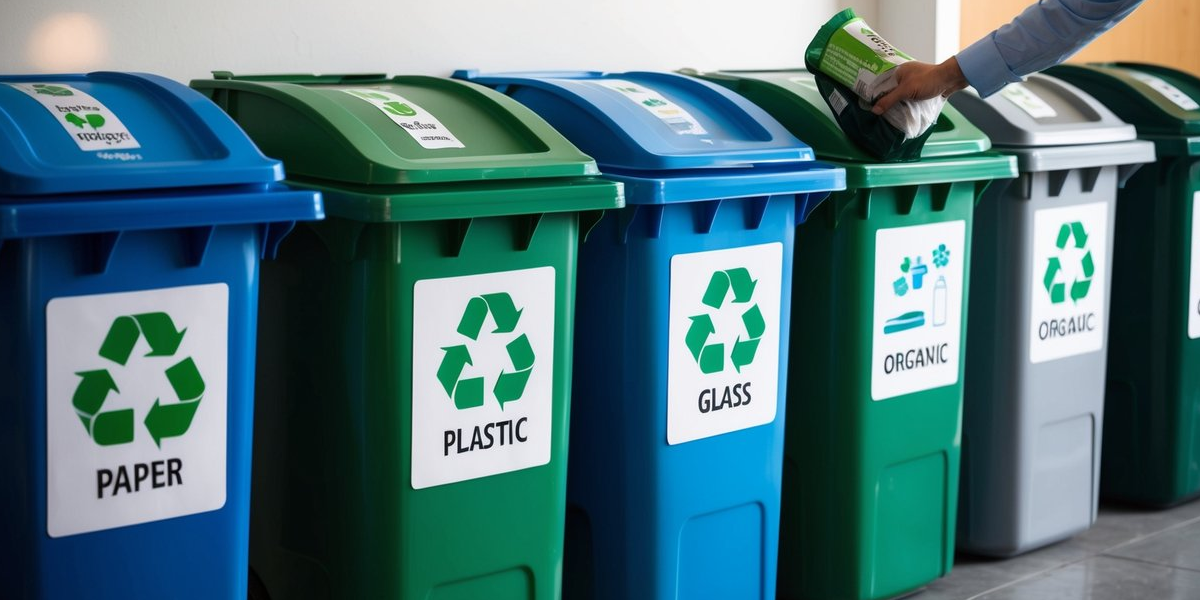
Removing rubbish becomes much easier with simple preparation. Sorting waste before collection is one of the most effective steps. When garden waste, household waste, and heavy materials are separated, collection becomes faster and safer.
Small items should be placed into strong bags or boxes. Loose rubbish slows down the process and increases the risk of injury. Large furniture and cardboard boxes take up more space than necessary. So breaking them down helps reduce volume and cost.
Restricted items should always be kept out of general rubbish piles. These materials should be taken to approved disposal or recycling facilities. Electronics and heavy renovation waste should be discussed with the removal company before booking to avoid refusal on the collection day.
Electronic waste, often called e-waste, includes televisions, computers, and printers. Some rubbish removal companies collect these items, while others require separate recycling services due to harmful components inside.
Construction and renovation waste is generally accepted, but heavy materials such as bricks and concrete may increase costs or exceed weight limits. Garden waste is usually accepted, but soil and tree stumps may need special approval.
Understanding these categories helps prevent last-minute issues.
After collection, rubbish is usually sorted by type. Recyclable materials are sent to recycling facilities. Green waste is processed into compost or mulch. General waste is disposed of at approved landfill sites.
Responsible rubbish removal reduces environmental impact and supports sustainable waste management.
Extra charges often result from poor preparation or incorrect information. Clearly listing all waste types during booking helps the removal team prepare properly. Ensuring easy access to the rubbish location also saves time.
Mixing restricted items with general waste should always be avoided. Following preparation instructions provided by the service provider helps keep costs under control.
Rubbish removal services are useful for home cleanouts, office relocations, renovation projects, garden maintenance, and rental property clearances. These services save time, reduce physical strain, and ensure proper waste disposal.
Understanding what items can and can’t be collected during rubbish removal helps ensure a smooth, safe, and stress-free experience. When waste is sorted properly and restricted materials are kept separate, collection becomes faster and more efficient. Most household, garden, and renovation rubbish can be removed without issue, while hazardous items require special handling through approved channels.
Choosing a reliable service provider is just as important as preparing the waste correctly. A trusted company like Easy Way Removals follows proper safety guidelines, handles acceptable waste responsibly, and ensures environmentally friendly disposal. With the right preparation and the right company, rubbish removal becomes simple, cost-effective, and worry-free.